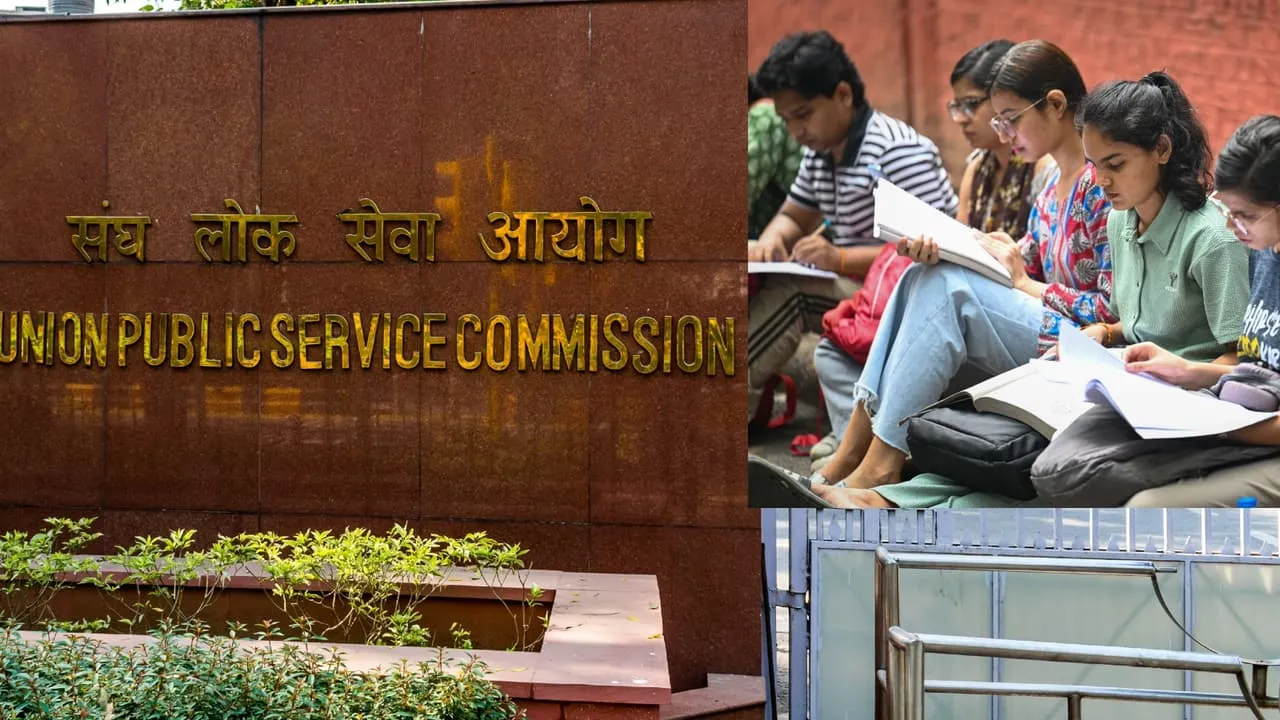
The Railway Recruitment Board has released the tentative exam calendar for 2026, bringing much needed clarity for lakhs of aspirants preparing for various railway jobs. Every year, RRB exams attract one of the highest numbers of applicants in the country, covering technical, non technical, graduate, undergraduate, and ministerial level posts. The announcement of the tentative calendar helps candidates plan their preparation strategy well in advance and manage time effectively.
For many aspirants, railway exams are not just another competitive test but a long term career goal. The 2026 tentative schedule outlines expected exam windows for multiple posts, giving candidates a roadmap for the coming year. While the calendar is tentative and subject to change, it still plays a crucial role in reducing uncertainty and preparation anxiety.
Why the RRB Exam Calendar Is Important for Aspirants
The release of a tentative exam calendar serves as a planning tool for candidates who are juggling multiple competitive exams. Railway recruitment exams require focused preparation due to their wide syllabus and high competition. Knowing the probable exam months allows candidates to prioritize subjects, revise in phases, and avoid last minute pressure.
The calendar also helps working professionals and students balance studies with other responsibilities. Candidates preparing for multiple RRB posts can now identify overlaps and allocate preparation time smartly. Coaching institutes also rely on this schedule to design batch timelines, mock tests, and revision programs.
Most importantly, a clear calendar brings transparency to the recruitment process and strengthens trust between the recruitment body and aspirants.
Posts Covered Under the RRB 2026 Tentative Calendar
The 2026 tentative calendar reportedly includes exams for a wide range of posts under the Indian Railways recruitment system. These posts generally fall under technical, non technical, and ministerial categories.
Some of the major posts expected to be covered include Assistant Loco Pilot, Technician, Junior Engineer, Non Technical Popular Categories for both graduate and undergraduate levels, Group D posts, and Ministerial and Isolated Categories. Each of these posts has a different eligibility criteria, exam pattern, and selection process, making early planning essential.
By releasing a combined calendar, RRB has made it easier for candidates to understand the sequence of exams and avoid confusion regarding timelines.
Tentative Exam Schedule Overview for 2026
According to the tentative calendar, most RRB exams are expected to be conducted in multiple phases across the year 2026. The exams are likely to be spread between the first quarter and the last quarter of the year to manage the massive number of candidates.
Graduate level Non Technical exams are usually scheduled earlier in the year, followed by technical exams such as Junior Engineer and Assistant Loco Pilot. Group D exams, which attract the highest number of applicants, are often scheduled later in the year due to logistical requirements.
Ministerial and isolated category exams may be conducted alongside or between major exams depending on vacancy numbers and regional requirements.
Expected Timeline for Major RRB Exams
While the exact dates will be announced later through official notifications, the tentative calendar gives an approximate timeline. Exams for undergraduate and graduate Non Technical categories are expected in the first half of 2026. Technical posts such as Junior Engineer and Assistant Loco Pilot may be scheduled in the mid part of the year.
Group D examinations are generally expected towards the second half of the year. This spacing allows candidates who qualify for multiple posts to participate without overlapping exam dates.
Candidates should remember that these timelines are indicative and can change due to administrative or operational reasons.
How Candidates Should Use the Tentative Calendar
The tentative exam calendar should be treated as a strategic guide rather than a fixed commitment. Candidates should use it to break their preparation into phases. The first phase should focus on syllabus completion, the second on revision and practice, and the final phase on mock tests and performance analysis.
Aspirants preparing for multiple RRB exams should identify common subjects such as mathematics, reasoning, general awareness, and technical topics. Preparing these overlapping sections together can save time and improve efficiency.
The calendar also allows candidates to plan revision cycles more realistically rather than rushing through topics without proper understanding.
Preparation Strategy Based on the 2026 Schedule
With a tentative schedule in hand, aspirants can now create a long term study plan. The first few months should be dedicated to building strong fundamentals. This includes understanding concepts, solving basic problems, and clearing doubts.
As the expected exam window approaches, candidates should shift focus towards speed, accuracy, and exam temperament. Regular mock tests and previous year question papers play a critical role at this stage.
Candidates should also allocate time for physical and mental well being, as long preparation cycles can lead to burnout if not managed properly.
Admit Cards and Official Notifications Timeline
Based on previous trends, RRB usually releases detailed notifications several months before the exam date. Admit cards are typically issued one to two weeks before the examination. Exam city information is often shared a few days earlier to help candidates plan travel.
Candidates should regularly check official RRB communications and avoid relying on unverified sources. Any changes to the tentative calendar will be officially notified through revised schedules.
Common Reasons for Changes in Tentative Exam Dates
It is important for candidates to understand that tentative schedules are subject to change. Factors such as administrative approvals, technical readiness, exam center availability, and unexpected national events can impact exam timelines.
In some cases, exams may be postponed to ensure fair conduct or to accommodate a higher number of candidates. Being flexible and mentally prepared for such changes helps reduce stress during the preparation journey.
What Candidates Should Avoid During Preparation
One common mistake aspirants make is delaying preparation until the official notification is released. By the time notifications arrive, the competition level increases and time becomes limited. The tentative calendar is an opportunity to start early and stay ahead.
Another mistake is ignoring revision and mock tests. Completing the syllabus alone is not enough to clear RRB exams. Consistent practice and performance analysis are equally important.
Candidates should also avoid spreading themselves too thin by preparing for too many exams without a clear focus.
Final Thoughts on the RRB 2026 Tentative Exam Calendar
The release of the RRB 2026 tentative exam calendar is a positive step towards a more structured and transparent recruitment process. It empowers candidates with information, reduces uncertainty, and allows for disciplined preparation.
While the dates are not final, the calendar gives aspirants a valuable head start. Candidates who plan smartly, stay consistent, and adapt to changes will be better positioned to succeed in the highly competitive railway recruitment exams.
For aspirants aiming for a stable and respected career in Indian Railways, the 2026 exam calendar marks the beginning of an important preparation phase. Staying informed, focused, and motivated will be key to turning this opportunity into success.